
Flight Instructor
Teach others to fly while building the flight hours airlines require. The flight instructor certificates are where most professional pilots bridge the gap between their commercial license and the 1,500 hours needed for airline eligibility.
Why Become a Flight Instructor
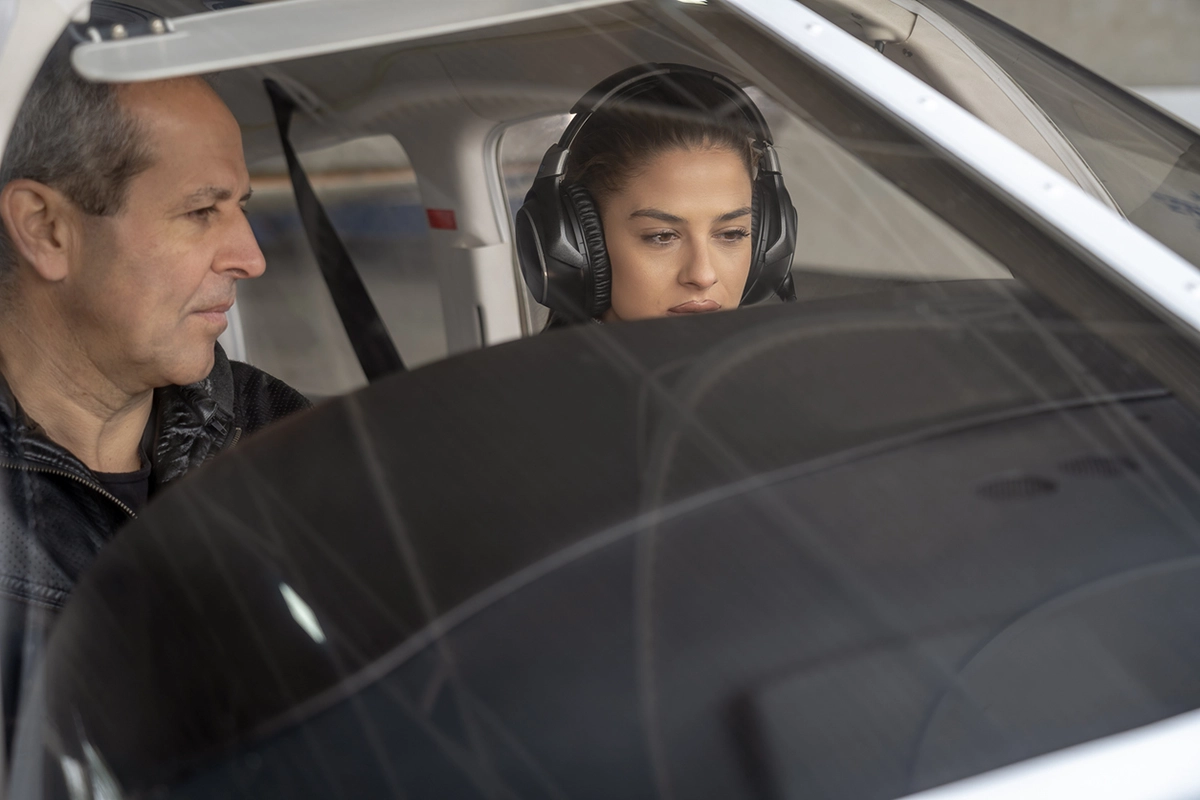
CFI training is fundamentally different from every certificate before it. Up to this point, your training focused on learning to fly. Now the focus shifts to learning to teach flying. You move from the left seat to the right seat and must demonstrate every maneuver while explaining the what, why, and how to a student.
For career track pilots, instructing is the most common and most effective way to build the 1,500 total flight hours required for ATP eligibility and airline hiring. You get paid while you build time, and the act of teaching deepens your own understanding of aerodynamics, regulations, and decision making in ways that simply logging hours cannot.
Many airline captains say their time as a flight instructor was the most formative period of their career. It builds the communication, leadership, and cockpit management skills that airlines value, and it sharpens your flying to an expert level because you are constantly demonstrating precision to students who are watching everything you do.
Course Details
AeroStar offers both the initial CFI and the CFII instrument instructor add-on. Most career track pilots earn both.
Certified Flight Instructor
The initial CFI certificate permits you to teach private and commercial pilot courses. This is the certificate that puts you in the right seat and qualifies you to train the next generation of pilots.
- Ground School
9.6 hours instructor led + King Schools online
- Dual Flight Time
25 hours with a certified instructor
- Location
AeroStar main campus, Kissimmee, FL (KISM)
- Aircraft
Cessna training aircraft
$8,637.00
Total minimum cost
- 25 hours dual flight instruction
- King Schools online ground course
- 16.3 hours CFI led ground school
- Supplies and study materials
Certified Flight Instructor Instrument
The CFII add-on permits you to teach instrument rating courses. It qualifies you to train students in instrument procedures, approaches, and IFR operations, making you a more versatile and in-demand instructor at any flight school.
- Ground School
12.8 hours instructor led + King Schools online
- Dual Flight Time
15 hours with a certified instructor
- Location
AeroStar main campus, Kissimmee, FL (KISM)
- Aircraft
Cessna training aircraft
$5,674.00
Total minimum cost
- 15 hours dual flight instruction
- King Schools online ground course
- 12.8 hours CFII led ground school
- Supplies and study materials
Prerequisites
Requirements for each certificate.
CFI (Initial)
- Hold an FAA Commercial Pilot License for airplane single engine land with instrument rating
- Current and valid FAA medical certificate
- Able to read, speak, write, and understand English
- King Schools online study completed before arrival
- Must be at least 18 years old
CFII (Add-On)
- Hold an FAA Certified Flight Instructor certificate
- Hold an instrument rating
- Current and valid FAA medical certificate
- Able to read, speak, write, and understand English
- King Schools online study completed before arrival
What You Will Learn
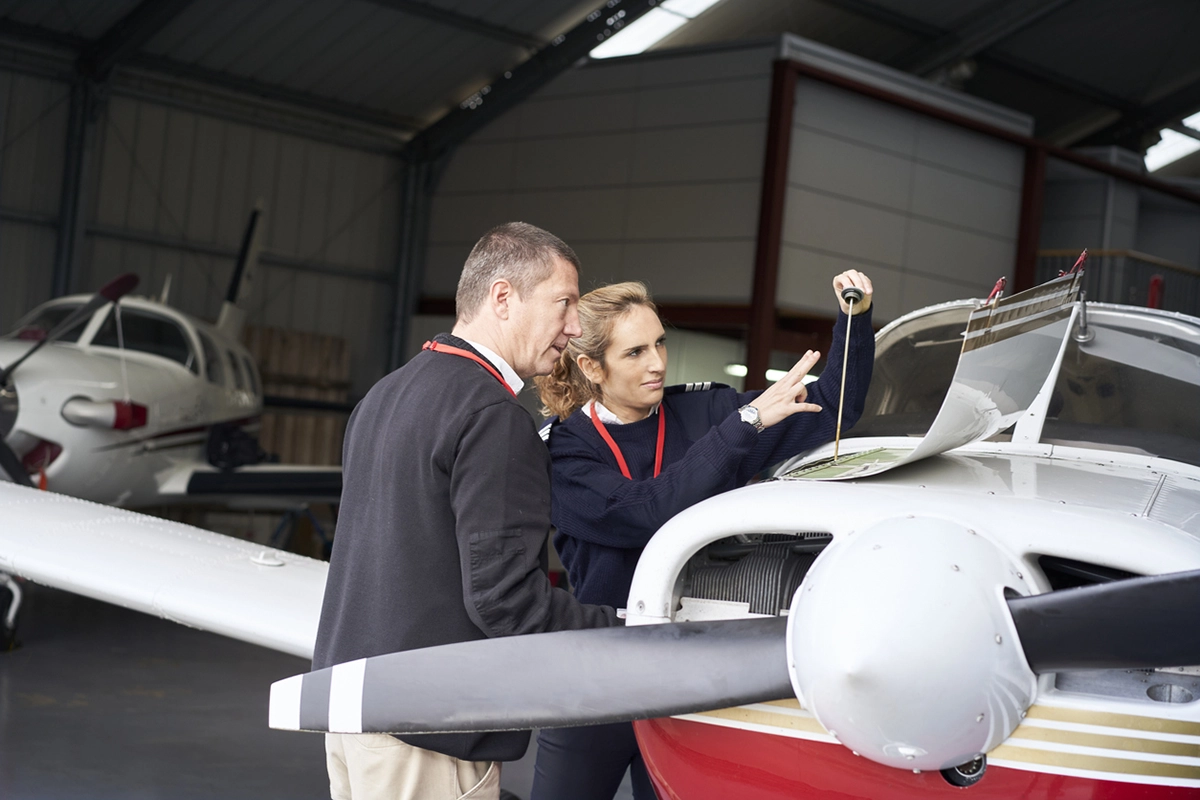
CFI training is not about piloting skills. It is about mastering the art of teaching aviation.
- Fundamentals of Instruction (FOI): how people learn, teaching methods, assessment techniques, and learning theory
- Lesson planning, delivery, and structuring a training syllabus for student pilots
- Demonstrating all private and commercial maneuvers from the right seat while teaching
- Spin awareness, entry, and recovery techniques (required one-time endorsement)
- Evaluating student performance and recognizing common errors
- Endorsement responsibilities and regulatory requirements for flight instructors
- Managing student solo flights, cross-country planning, and checkride preparation
- Aeronautical decision making and risk management from an instructor's perspective
- Teaching instrument procedures, approaches, and IFR operations (CFII)
- Right seat proficiency across all phases of flight
How Training Works
- 1Study at Home
Complete King Schools online study covering the Fundamentals of Instruction, instructor aeronautical knowledge, and lesson plan development before arriving at AeroStar.
- 2Train at AeroStar
Attend instructor led ground school and begin right seat flight training. Practice teaching maneuvers, building lesson plans, and developing your instructional technique under the supervision of AeroStar's experienced staff.
- 3Earn Your CFI
Pass the FAA Fundamentals of Instruction knowledge test, the Flight Instructor knowledge test, and the practical checkride. The CFI checkride is the longest and most comprehensive in aviation, often lasting 4 to 8 hours.
Frequently Asked Questions
How long does CFI training take?
Most students complete the CFI initial course in 4 to 8 weeks with consistent full-time training. The ground-heavy nature of CFI training means you will spend significant time on lesson planning, Fundamentals of Instruction study, and practice teaching in addition to the 25 hours of right seat flight time.
What is the difference between CFI and CFII?
A CFI (Certified Flight Instructor) is qualified to teach private and commercial pilot courses in visual flight conditions. A CFII (Certified Flight Instructor Instrument) is additionally qualified to teach instrument rating courses, including instrument procedures, approaches, and IFR operations. The CFII is an add-on to the CFI and requires the initial CFI certificate first.
Do I need both certificates?
You do not need both to start instructing. However, holding both the CFI and CFII makes you significantly more valuable to any flight school because you can teach a wider range of students. Most schools prefer to hire instructors who can provide both primary and instrument training. The CFII also typically commands a higher hourly instructor rate.
How much do flight instructors earn?
Flight instructor pay varies by location and school type. Most instructors earn between $20 and $50 per hour, with Part 141 schools and university programs generally paying at the higher end. Instructors with CFII and MEI ratings typically earn more than those with only the initial CFI. Annual income ranges from approximately $30,000 to $60,000 depending on hours flown.
Is flight instructing required for an airline career?
It is not technically required by the FAA, but it is the most common path. The airlines require 1,500 total flight hours for ATP eligibility, and flight instructing is the most accessible and efficient way to build those hours while being paid. Other time building options include banner towing, aerial survey, and cargo flying, but CFI positions are the most widely available.
Can I instruct at AeroStar after earning my CFI?
Contact AeroStar’s admissions team to discuss instructor employment opportunities. Training at AeroStar gives you familiarity with their aircraft, procedures, and training environment, which can be an advantage when applying for an instructor position.
What makes the CFI checkride so difficult?
The CFI initial checkride is widely regarded as the most demanding practical test in aviation. The oral exam alone can last 3 to 4 hours and covers the Fundamentals of Instruction, all private and commercial aeronautical knowledge, regulations, endorsement requirements, and lesson plan evaluation. The flight portion requires you to teach maneuvers from the right seat while the examiner evaluates both your flying and your ability to instruct. Total checkride time is typically 4 to 8 hours.
Is the CFI course GI Bill approved?
Yes. AeroStar’s Part 141 CFI course is GI Bill approved for eligible veterans. Contact our admissions team at 407-888-9011 to confirm your eligibility and discuss enrollment.