
Instrument Rating
Weather is the biggest limitation for any VFR pilot. The instrument rating removes that barrier, giving you the skills and confidence to fly when other pilots stay on the ground. It is also a required step on the path to every airline cockpit.
What is an Instrument Rating
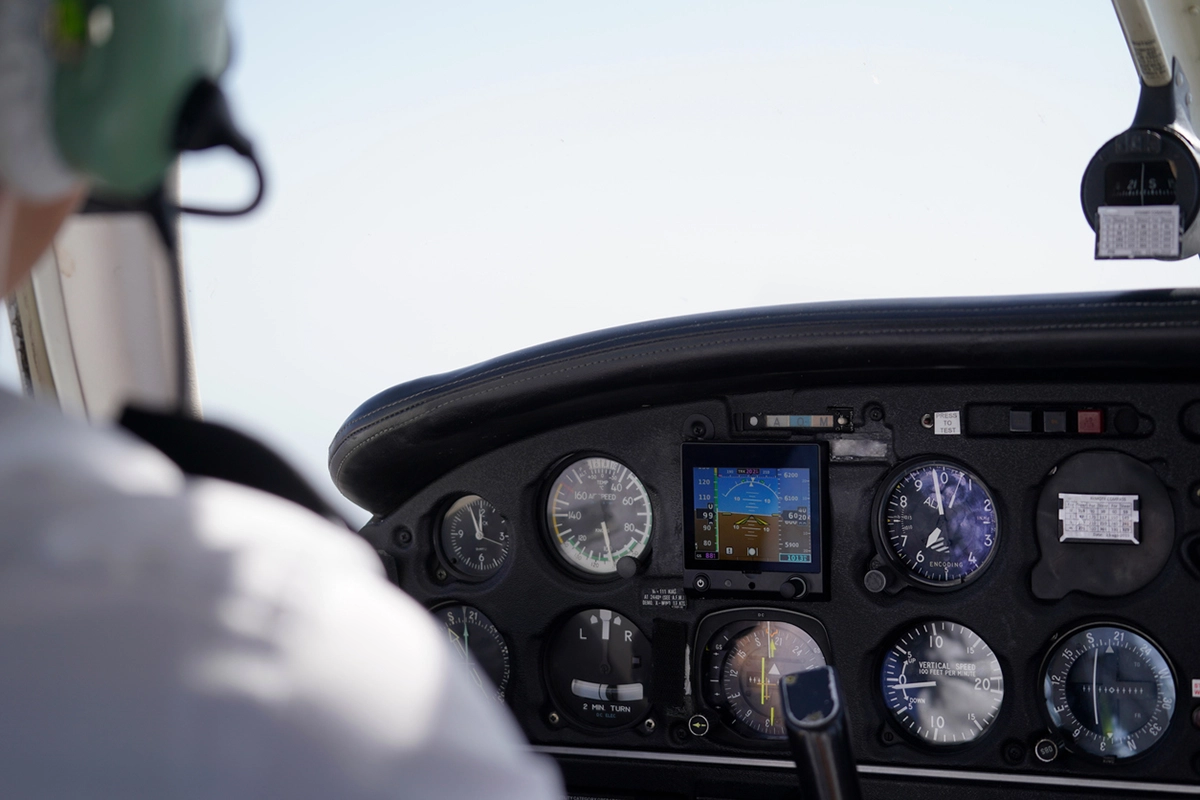
An Instrument Rating qualifies you to fly in clouds, low visibility, and weather condition. You learn to safely operate the aircraft using only cockpit instruments, without any outside visual reference.
This is the rating that transforms a fair weather private pilot into a capable, instrument aviator. It is a required step on every professional pilot career path and a prerequisite for the Commercial Pilot course at AeroStar.
AeroStar’s Instrument Rating course is approved under FAA Part 61 and Part 141. Part 141 combines instructor led ground school, advanced aviation training device sessions, and dual flight instruction into a structured, efficient program.
Course Details at a Glance
- Ground School
24.5 hours of instructor led classroom training at our Kissimmee campus
- Online Study
King Schools computer based training completed from home before arrival
- AATD Sessions
14 hours in an Advanced Aviation Training Device or aircraft for instrument procedures
- Dual Flight Time
21 hours of flight training with a certified flight instructor
- Location
AeroStar main campus, Kissimmee, FL (KISM)
- Aircraft
Cessna 150 or Cessna 172 Technically Advanced Aircraft
Course Investment
Pricing based on FAA Part 141 minimum required hours.
Cessna 150
$160/hr wet rental | $75/hr instructor
$10,727.00
Total minimum cost
- 35 hours dual flight instruction
- 14 hours AATD or airplane time
- King Schools online ground course
- 24.5 hours CFI led ground school
- Supplies and study materials
Cessna 172
$195/hr wet rental | $75/hr instructor
$11,952.00
Total minimum cost
- 35 hours dual flight instruction
- 14 hours AATD or airplane time
- King Schools online ground course
- 24.5 hours CFI led ground school
- Supplies and study materials
*These are minimum required hours for course completion. Actual flight hours will vary based on individual needs and FAA certification standards. Pre and post briefing costs are not included. All programs require an iPad.
Prerequisites
Private Pilot License
Must hold an FAA Private Pilot License for airplane single engine land.
FAA Medical
Must hold a current and valid FAA medical certificate.
English Proficiency
Must be able to read, speak, write, and understand English per FAA requirements.
Online Study Complete
All King Schools computer based training lessons must be completed before on-site training begins.
What You Will Learn
- IFR flight planning, weather briefings, and filing flight plans
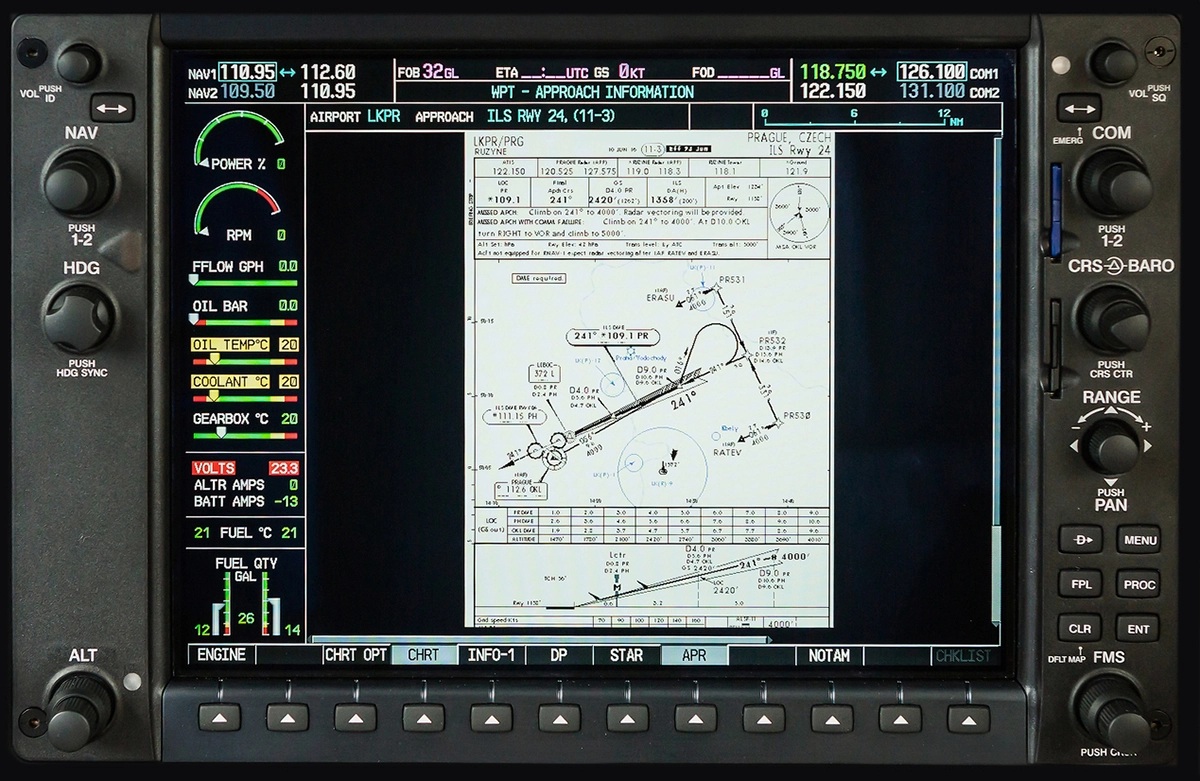
- Precision and non-precision instrument approaches (ILS, VOR, GPS, Localizer)
- Holding patterns and procedure turns
- Partial panel flying under simulated instrument failures
- ATC communication under IFR clearances and instructions
- Standard instrument departure and arrival procedures (SIDs and STARs)
- Missed approach procedures and alternates
- Cross country navigation under IFR conditions
- Weather interpretation and decision making for instrument flight
- Operating within the National Airspace System under instrument flight rules
How Training Works
AeroStar’s Part 141 Instrument Rating course follows a structured three phase process.
- 1Study at Home
Complete your King Schools online ground study covering IFR regulations, procedures, weather theory, and approach charts before arriving at AeroStar.
- 2Train at AeroStar
Attend 24.5 hours of instructor led ground school. Begin AATD sessions and dual flight training focused on instrument procedures, approaches, and navigation.
- 3Earn Your IFR Rating
Pass your FAA Instrument Rating knowledge test and practical checkride. Graduate with the ability to fly in all weather conditions under instrument flight rules.
Frequently Asked Questions
What is the difference between VFR and IFR?
VFR (Visual Flight Rules) requires the pilot to navigate by looking outside and maintaining visual reference to the ground and horizon. IFR (Instrument Flight Rules) allows the pilot to navigate entirely by cockpit instruments, which means you can fly in clouds, fog, rain, and low visibility conditions where VFR flight is not possible.
How long does the Instrument Rating course take?
The timeline varies by student. Under Part 141, the course requires a minimum of 35 hours of instrument time (a combination of AATD and dual flight). With consistent full-time training and the online ground study completed before arrival, most students finish in 4 to 8 weeks.
What is an AATD?
An AATD is an Advanced Aviation Training Device. It is an FAA approved ground based simulator that replicates the aircraft’s instrument panel and flight characteristics. AATD sessions allow you to practice instrument procedures, approaches, and emergency scenarios in a controlled environment before flying them in the aircraft.
Can I train in the same aircraft I used for my Private Pilot License?
Yes. AeroStar offers instrument training in both the Cessna 150 and Cessna 172. If you completed your PPL in one of these aircraft, you can continue in the same type for your Instrument Rating.
Will I actually fly in challenging weather during training?
Most instrument training is conducted in visual conditions while you wear a view limiting device (foggles or a hood) that restricts your view to only the instrument panel. This simulates instrument conditions safely. You may also fly in actual instrument conditions when your instructor determines it is appropriate and safe.
How is the Instrument Rating checkride different from the Private Pilot License?
The Instrument Rating checkride focuses on precision. You will fly multiple instrument approaches (ILS, VOR, GPS), demonstrate holding patterns, execute a missed approach, navigate under ATC instructions, and show partial panel proficiency. The oral portion covers IFR regulations, weather, flight planning, and approach chart interpretation.
Is this course GI Bill approved?
Yes. AeroStar’s Part 141 Instrument Rating course is GI Bill approved for eligible veterans. Contact our admissions team at 407-888-9011 to confirm your eligibility and discuss enrollment.